Weighted Jump Rope vs Regular Rope: Which One Actually Burns More?
Quick Answer: A weighted rope adds slightly more upper-body and forearm engagement per jump, but the total calorie difference over a full session is small — pace and duration matter far more than rope weight. Choose weighted for arm fatigue and slower-paced work, regular for speed and cardio focus.
The weighted rope in your gym bag was sold on the promise of toned arms and bigger calorie burn. The forearm burn is real. The calorie difference is smaller than the marketing suggests.

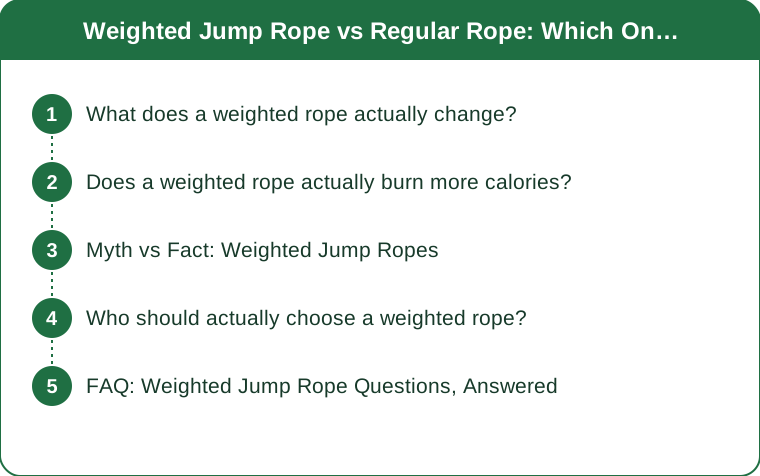
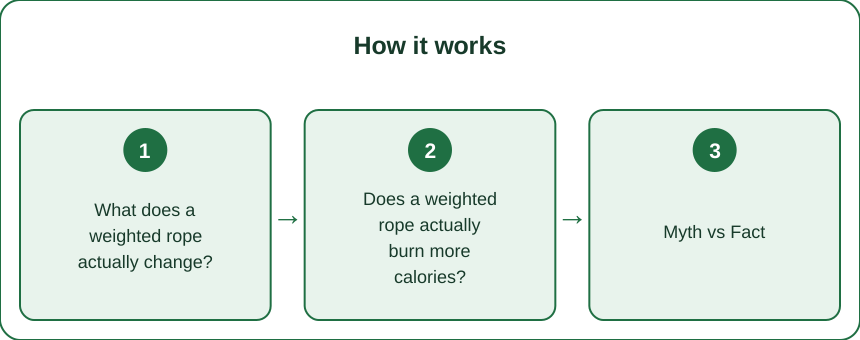
What does a weighted rope actually change?
The extra weight (usually in the handles) means your forearms and shoulders work harder to rotate the rope each turn, which is why weighted-rope sessions feel more fatiguing in the arms specifically. This makes it a reasonable light arm-conditioning tool alongside cardio.
Because the rope is heavier, most people naturally slow their pace to control it — which can actually reduce total calorie burn compared to a fast-paced session with a light rope.
Does a weighted rope actually burn more calories?
Only marginally, and often not at all in practice — calorie burn from jump rope is driven mainly by pace and duration, not rope weight. A fast 10-minute session with a regular rope typically burns more than a slow 10-minute session with a weighted one.
If your goal is calorie burn specifically, prioritizing speed and consistent unbroken sets matters more than which rope you pick.

Myth vs Fact: Weighted Jump Ropes
Myth: weighted ropes tone your arms like weight training. Fact: the added resistance is real but small compared to actual arm exercises — it supplements arm work, it doesn’t replace it.
Myth: heavier is always better for fitness gains. Fact: too much added weight increases wrist and shoulder strain risk without meaningfully increasing benefit, especially for beginners still building jump rope technique.
Who should actually choose a weighted rope?
Someone focused on slower, controlled reps for shoulder and forearm endurance, or who finds a regular rope’s speed hard to control yet, benefits most from a weighted option. It’s also useful for double-under practice at a controlled pace before progressing to speed work.
Someone training primarily for cardio conditioning or speed-based jump rope workouts is usually better served by a lighter, faster regular rope.
FAQ: Weighted Jump Rope Questions, Answered
Is a weighted rope better for beginners?
Not necessarily — the added weight can make timing harder to learn at first; many beginners do better starting with a lightweight rope and adding weight later.
Can a weighted rope cause wrist strain?
Yes, particularly with heavier handles used for high-rep sessions before the wrists have adapted — start with shorter sets and build up gradually.
Should I own both rope types?
If budget allows, having both lets you match the rope to the goal — speed and cardio on some days, controlled arm work on others.
TL;DR:
- Weighted ropes add real forearm and shoulder engagement, but the calorie difference over a session is small
- Pace and duration drive calorie burn far more than rope weight
- Weighted ropes suit slower, controlled endurance work; regular ropes suit speed and cardio
- Beginners often do better learning timing with a lighter rope first
Pick the rope that matches today’s goal — speed day or arm-focused day — rather than assuming one is universally better.
Keep Reading
This article is for general informational and styling purposes only. Fit, sizing, and product availability may vary.