Why Jump Rope Gives You Shin Splints (It's Your Landing, Not the Rope)
Quick Answer: Jump rope shin pain is usually caused by landing flat-footed or too stiff-legged, not the rope, surface, or shoes. Landing softly on the balls of your feet with slightly bent knees eliminates most of the impact that causes shin splints.
You switched surfaces, bought new shoes, even changed ropes — and your shins still ache after every session. Before spending more money on gear, check your landing, because that’s where most jump rope shin pain actually starts.
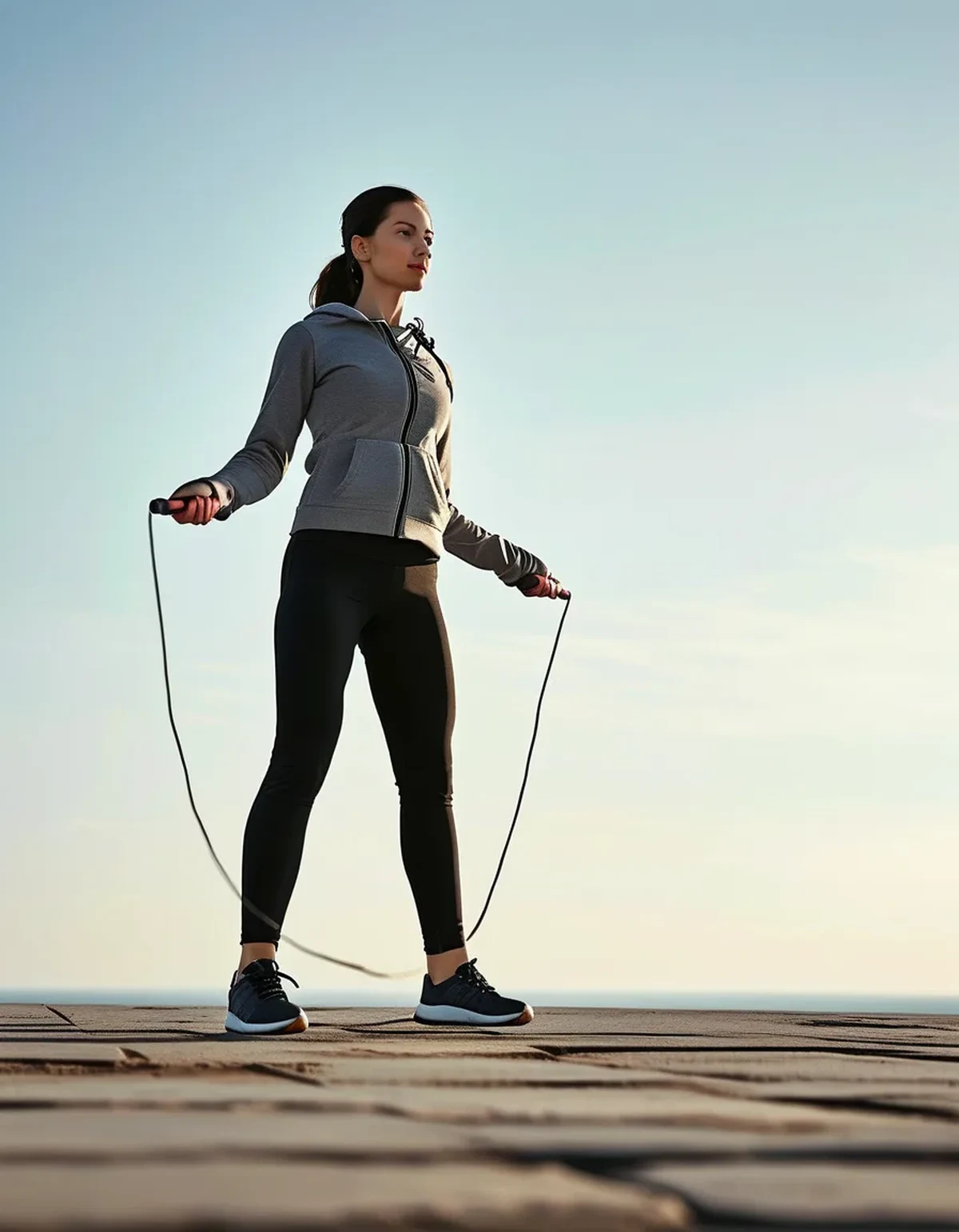
Why does landing technique cause shin splints?
Landing flat-footed or with locked, stiff knees sends impact force directly up through your shin bone repeatedly with every single jump — over hundreds of reps per session, that adds up to real stress on the tibia. Landing on the balls of your feet with soft, slightly bent knees absorbs that same impact through your calf and ankle instead, which are built to handle repetitive shock better.
What does correct jump rope landing actually look like?
Small, low jumps — just enough height to clear the rope, not big bounces — landing quietly on the balls of your feet with your heels barely touching or not touching at all. If you can hear a loud slap or thud with every landing, that’s the sound of excess impact traveling up your shins.
Does surface actually matter at all?
Somewhat, but less than technique — a hard surface like concrete does add more impact than a wood floor or rubber mat, but a soft surface with bad landing technique will still cause shin pain. Fix technique first; surface is a secondary adjustment.

How much does jump height matter?
A lot — jumping higher than necessary to clear the rope adds unnecessary impact on landing without any real benefit. Most experienced jumpers keep their jumps low, often just an inch or two off the ground, prioritizing rhythm and quick turnover over height.
What if you already have shin pain — should you stop entirely?
Mild, dull shin ache that resolves with rest between sessions is common while adjusting technique. Sharp, localized pain, or pain that doesn’t improve with rest and technique changes, is worth a professional look before continuing — that can indicate an actual stress injury rather than simple soreness. This is general information, not medical advice.
FAQ: Jump Rope Shin Pain Questions, Answered
Do better shoes fix jump rope shin splints?
Cushioned shoes help somewhat, but they compensate for bad landing technique rather than fixing the underlying cause — technique correction matters more.
How long does it take to fix bad landing habits?
Most people can consciously correct landing technique within 1-2 sessions of deliberate focus, though it takes longer to become fully automatic under fatigue.
Should beginners start with a weighted or a light rope?
A lighter rope is generally easier to control at first, which indirectly helps landing technique by keeping rhythm steadier and less rushed.
TL;DR:
- Flat-footed, stiff-legged landing is the main cause of jump rope shin splints, not the rope or surface
- Land softly on the balls of your feet with slightly bent knees
- Keep jumps low — just enough to clear the rope, not big bounces
- Sharp or non-resolving shin pain deserves a professional look, not just a technique tweak
Fix the landing first — most gear changes won’t solve a technique problem.
Keep Reading
This article is for general informational and styling purposes only. Fit, sizing, and product availability may vary.